Safer Regrowth
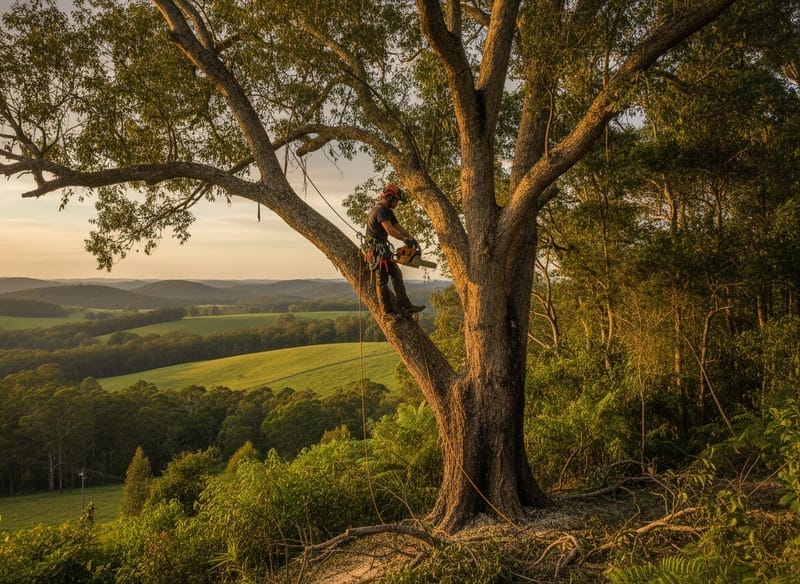
Correct pruning cuts heal over, whereas lopped branches rot and fail.
Professional height reduction and safe canopy management.
Servicing all of Collaroy Plateau
If you're looking for Tree Lopping Collaroy Plateau to deal with an overgrown tree, let our arborists provide a safer, more sustainable solution.
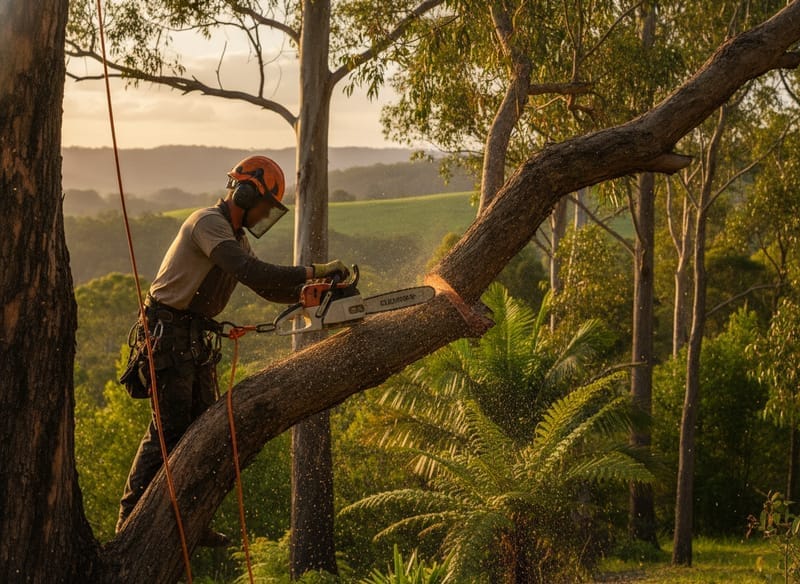
Many large native trees in Collaroy Plateau respond poorly to severe lopping. We employ selective reduction techniques to manage size safely, protecting your property from falling branches.
Correct pruning cuts heal over, whereas lopped branches rot and fail.
Maintain the natural shape of the tree while reducing its dominance.
Never worry about breaching council preservation orders.
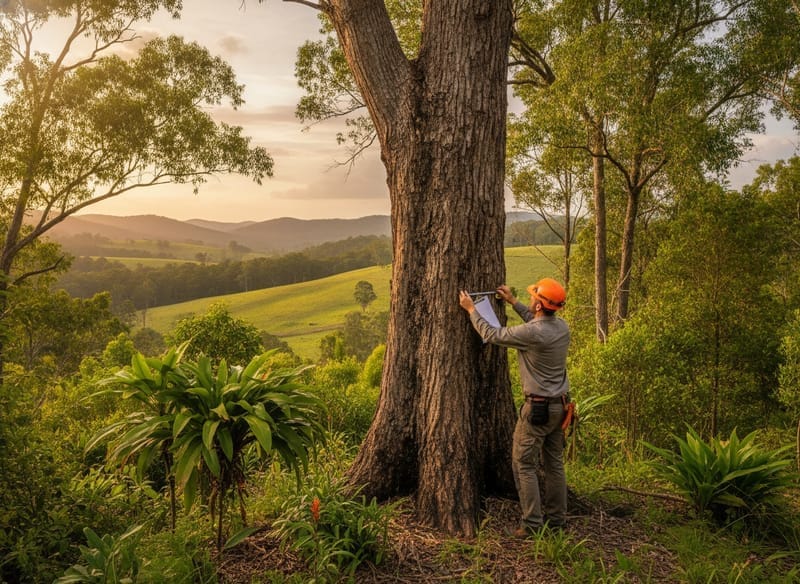
We inspect your overgrown tree and listen to your concerns about height or spread.
We explain why a crown reduction or full removal is a better alternative to traditional lopping.
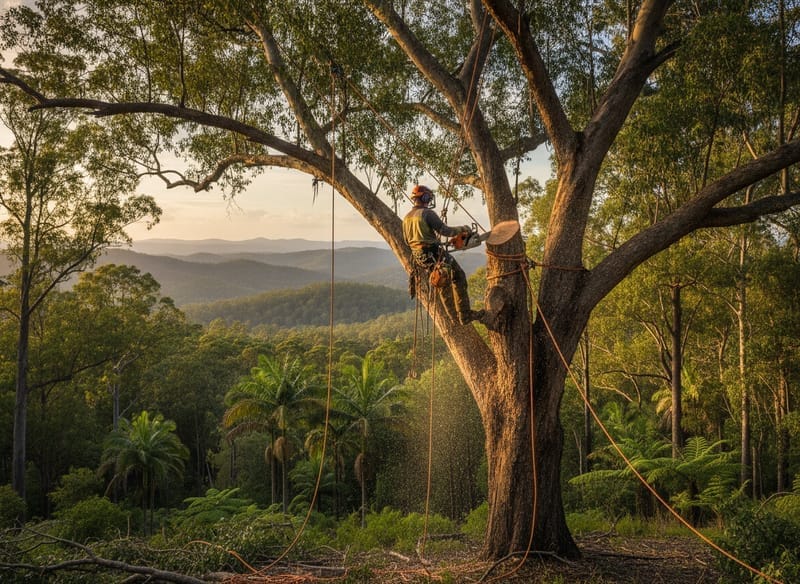
Our arborists use proper techniques to reduce the canopy safely.
We remove all green waste, leaving your yard pristine.
When homeowners ask for Tree Lopping Collaroy Plateau, they usually mean one thing: a tree on their property has grown too large, is blocking light, or is encroaching on their roofline, and they desperately want it made smaller. As the leading local arborists at The Forest Arborist, we understand the distinct challenges of managing large canopy trees on the steep, sandstone blocks of this beautiful plateau.
Whether you are managing an oversized Sydney red gum near your boundary or trying to pull back the canopy of a large scribbly gum hanging over your gutters, professional canopy reduction requires a highly precise approach. On our warm temperate coastal plateau, severe summer thunderstorms and saturating winter east coast lows mean that overgrown, top-heavy trees can quickly become hazardous.
We don't just hack branches back indiscriminately. Our team applies industry-approved arboricultural techniques to safely reduce the height and spread of your trees while maintaining their structural integrity and long-term health. We provide the clearance you need, protect your property, and ensure your trees remain a safe, valuable asset.
Traditional "lopping" or "topping" involves aggressively cutting branches back to random lengths, leaving large, unsightly stubs. While this might seem like a quick, cheap way to reduce the size of a tree, it is disastrous for the tree's health and safety. These indiscriminate cuts promote aggressive, weakly attached epicormic regrowth. In the intense downbursts and severe winds we experience across The Forest, these fast-growing, heavy water shoots are the very first to snap and crash onto your roof or driveway. Furthermore, large stub cuts from poor lopping invite decay, rot, and disease right into the main trunk, artificially shortening the tree's lifespan and turning it into a severe structural hazard. When you call us to make your tree smaller, we provide a professional alternative. As AQF Level 3 and Level 5 arborists, our climbers adhere strictly to AS4373 - Pruning of Amenity Trees. Instead of lopping indiscriminately, we use target pruning and precise branch collar cuts. If you need a tree's height significantly reduced, we perform a calculated crown reduction or crown lifting procedure. This gives you the clearance and light you need without permanently ruining the tree or creating a future storm liability. We solve your canopy issues safely, legally, and sustainably.
When you need a tree's size reduced, our qualified climbers use specific, standard-compliant techniques to achieve the result you want without compromising safety or tree health. Here is how we manage overgrown trees.
The correct horticultural alternative to tree topping. We selectively reduce the overall height and spread of the canopy by cutting back to appropriate lateral branches. This maintains the natural shape of the tree while significantly reducing its wind resistance and leverage.
If your primary concern is lower branches hitting your roof, blocking driveways, or obstructing sightlines, we systematically remove the lowest branches back to the main trunk. This creates essential vertical clearance without needing to lop the top of the tree.
Rather than hacking the tree back to let light in, our team selectively removes secondary branches throughout the canopy. This allows sunlight and wind to pass through smoothly, reducing the 'sail effect' during severe storms while maintaining the tree's overall silhouette.
We carefully prune overgrown branches away from powerlines, rooflines, and retaining walls using directional pruning techniques. We ensure all cuts are made cleanly at the branch collar to promote rapid healing and prevent dangerous dieback.
In cases where a tree has suffered major storm damage or structural failure, we perform immediate, targeted canopy reduction. This emergency lopping stabilizes the remaining structure before final safety assessments or a complete tree removal can be safely executed.
We make the process of reducing your overgrown trees straightforward and entirely stress-free. If you are looking for reliable Tree Lopping Collaroy Plateau, here is how our team operates from your initial phone call to the final site cleanup.
1. On-Site Assessment and Strategy We visit your property to inspect the tree and discuss exactly what you want to achieve. We identify the species—whether it is a protected native blackbutt or an exempt camphor laurel—and assess the access constraints of your block. We then recommend the best AS4373-compliant method to reduce the canopy safely.
2. Council Checks and Quotation We advise you on the current Northern Beaches Council regulations. If the proposed reduction exceeds the standard allowable pruning thresholds under the Warringah DCP 2011, we guide you through the Vegetation Clearing Permit process. We then provide a transparent, fixed-price quote with no hidden fees.
3. Safe Canopy Reduction On the day of the job, our qualified climbers use advanced rope-access techniques or elevated work platforms (EWPs) to safely access the canopy. We systematically dismantle the problematic sections, rigging heavy branches down carefully to avoid damage to your home, glass balustrades, or established gardens.
4. Processing and Site Cleanup All removed branches and foliage are fed directly through our industrial wood chippers. We process the debris into high-quality mulch, which we can either leave for your garden beds or haul away in our tipper trucks. We thoroughly rake and blow the site clean before our trucks depart.
Tree work on the elevated, often steep slopes of The Forest requires strict adherence to safety and compliance standards. Our team is fully public liability and WorkCover insured, giving you total peace of mind when our trucks, machinery, and climbers are actively working on your property.
Every height reduction and pruning job we undertake complies fully with AS4373 - Pruning of Amenity Trees. Our AQF Level 3 climbing arborists use industry-best rope-access techniques and top-handle saws to work safely above your roofline. For complex development or council applications involving significant trees, our AQF Level 5 consulting arborists can provide the necessary structural reports. We never compromise on site safety, ensuring your property remains protected at all times.
Working in Collaroy Plateau means navigating very specific environmental and regulatory landscapes. Much of the area sits on a Hawkesbury Sandstone plateau with shallow topsoil. During our frequent east coast lows, saturating rain and strong onshore winds can destabilise large, top-heavy native trees like Sydney red gums, red bloodwoods, and turpentine. Proper canopy reduction is crucial for mitigating this risk without destabilising the tree's root system.
Tree work here is strictly governed by the Northern Beaches Council, primarily under the Warringah DCP 2011 clause E1. Under these rules, you can generally prune up to 10 per cent of a tree's canopy within a 12-month period in accordance with AS4373 without requiring a formal permit.
Anything beyond that, or work in mapped bushland and bushfire overlay areas (such as the 10/50 Vegetation Clearing Code entitlement zones), requires careful assessment. Navigating battleaxe blocks and steep gully driveways down toward the Manly Dam catchments also means our climbers frequently rely on advanced rope rigging rather than heavy EWP machinery to safely reduce overhanging branches.
After we have professionally reduced the size of your tree, proper maintenance ensures it recovers well and remains structurally sound. The precise cuts we make at the branch collar will naturally callous over in time. You should never apply wound paints, tars, or sealants, as these trap moisture and actively encourage fungal decay.
Keep the base of the tree well-mulched and appropriately watered, particularly during the hot, dry spells we get in summer, to help the tree recover from the loss of foliage. We highly recommend having our arborists return every 2 to 3 years to inspect the canopy. We can easily manage any minor epicormic regrowth and ensure your tree remains at a safe, manageable size year-round.
The cost of canopy reduction depends on the tree's condition and size.
We provide honest, upfront pricing with no obligation.
Providing professional tree management alternatives to lopping in Collaroy Plateau.
Contact our arborists for professional advice and a free quote.
Call 0420 113 442